
Form I-485 is one of those immigration forms that looks straightforward until you try to assemble the entire filing package.
There is the form itself. Then there are identity documents, evidence of lawful admission or parole, the underlying immigrant petition, financial sponsorship, medical documentation and, depending on the case, employment and travel applications.
The question is not simply, “Did I include the form?”
It is: “Does the complete package tell USCIS a clear, consistent story about why I am eligible to adjust status?”
A practical I-485 checklist begins with the basics: identity, immigration history and the basis for adjustment.
Depending on the category and circumstances, supporting evidence may include a passport biographic page, visa documentation, Form I-94 showing the most recent admission or parole, prior immigration records and the approval or receipt information for the underlying petition.
Do not assume that one document proves everything. Cross-check the dates and names across the entire package.
A mismatch between a passport, birth certificate, petition and I-485 may not mean the case is impossible—but it can create questions that are much easier to address before filing than after an RFE.
Birth certificates, marriage certificates, divorce records and other civil documents need to meet the applicable USCIS requirements. Documents in a foreign language generally need a complete English translation accompanied by the required translator certification.
The important point is consistency.
If your legal name, date of birth or family relationships appear differently across documents, do not simply hope USCIS will understand the difference. Explain legitimate discrepancies and provide supporting evidence when appropriate.
For many family-based adjustment cases, Form I-864, Affidavit of Support, is a major part of the package.
That means reviewing the sponsor’s income, household size and supporting tax information—not merely signing the form.
The applicable income requirement depends on the sponsor’s household and circumstances. In many standard cases, the sponsor must demonstrate income at or above 125% of the applicable Federal Poverty Guidelines, with different rules for certain military sponsors and other situations.
Form I-693 can also affect case preparation. Applicants should use a USCIS-designated civil surgeon and follow the current USCIS instructions on when and how the medical documentation should be submitted.
Because USCIS procedures and form instructions can change, this is an area where an old checklist copied from a blog post can quickly become outdated.
Some applicants also submit Form I-765 for employment authorisation and Form I-131 for advance parole, where eligible.
But these are not automatic rights created simply because an I-485 was filed. Eligibility depends on the applicant’s category and immigration circumstances, and international travel can have consequences if the person leaves the United States without the required travel authorisation.
Before filing, ask:
Does every form use the correct current edition?
Do names and dates match across documents?
Does the evidence actually prove the legal requirement it is supposed to prove?
Have changed circumstances been disclosed rather than ignored?
Are current USCIS filing fees and instructions being used?
As of September 18, 2026, USCIS began requiring the newer edition of Form I-485 for filings that fall under the updated form instructions, so checking form editions is not merely administrative housekeeping.
The strongest adjustment package is not the thickest one. It is the one in which the forms, evidence and legal basis all make sense together.
What part of the I-485 process worries you most: the paperwork, the evidence, the medical exam or the possibility of receiving an RFE?
A strong I-485 filing is not about assembling the biggest stack of paper possible. It is about making sure the forms, evidence, immigration history and supporting documents tell one consistent story and satisfy the requirements that actually apply to the applicant.
Book a consultation with Lum Law Group if you are preparing Form I-485. We can review your filing strategy, supporting evidence and current USCIS requirements before you submit, helping identify inconsistencies or missing evidence that are easy to overlook when assembling the package yourself.
Which part of the adjustment process feels hardest to you:
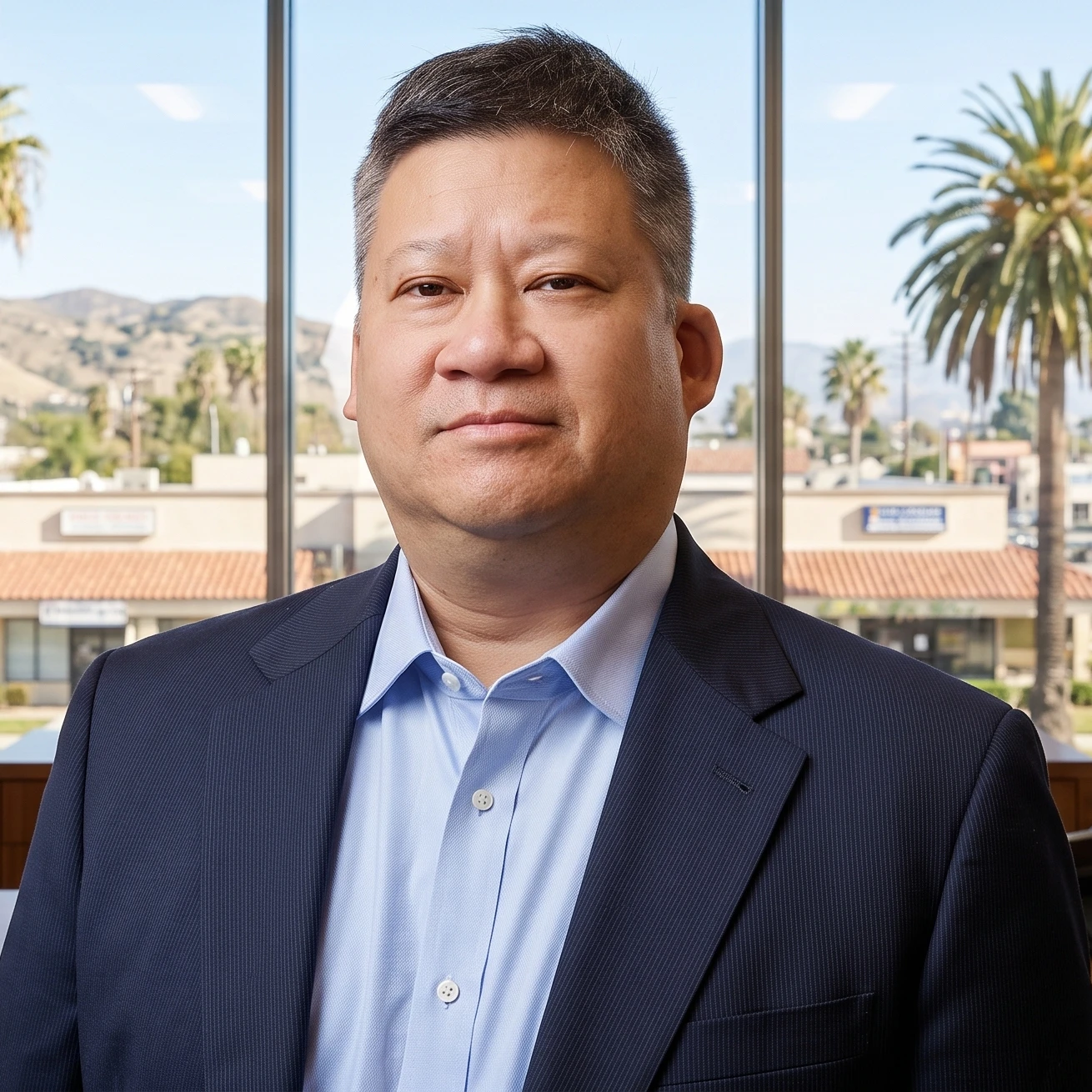
A. Justin Lum has been practicing law since 1993, with more than 30 years of experience serving clients across a wide range of legal matters. A graduate of the University of California, Berkeley and UC Davis School of Law, he is also a past President of the Southern California Chinese Lawyers Association, continuing a proud family legacy of leadership in the legal profession.