
k1 fiance visa vs cr1 spousal visa
For couples living in different countries, the biggest immigration decision often comes before the paperwork even begins: Do we marry first, or do we apply as fiancés?
That decision matters because the K-1 fiancé visa and the CR-1 spousal visa solve the same family problem in very different ways. One is designed to bring a fiancé to the United States so the couple can marry here. The other is designed for a spouse who is already legally married and entering the United States as an immigrant.
So which one is actually better? The honest answer is: it depends on what matters most to your relationship and your plans after arrival.
A U.S. citizen can petition for a qualifying foreign fiancé using Form I-129F. After the visa process, the fiancé enters the United States and must marry the petitioning U.S. citizen within 90 days. The K-1 is a nonimmigrant visa, which means the immigration process is not finished when the fiancé arrives. After marriage, the foreign spouse generally applies for permanent residence through adjustment of status.
That creates a very different first few months. The couple may finally be together, but there is still another major immigration filing ahead.
With a CR-1 immigrant visa, the couple is already married before the immigrant petition is filed. The foreign spouse completes consular processing abroad and, if admitted on the immigrant visa, becomes a lawful permanent resident.
That distinction is important for couples who want the cleanest transition into working and living in the United States. A K-1 entrant does not automatically receive permanent resident status on arrival. A CR-1 entrant does.
This is one of the biggest practical differences—and one couples sometimes underestimate.
A K-1 entrant generally needs to complete the adjustment-of-status process and obtain employment authorization before working. International travel while an adjustment application is pending can also require advance parole, and leaving without the appropriate travel authorisation can create serious consequences for the pending adjustment application.
A CR-1 entrant, by contrast, is admitted as a permanent resident. That generally means the spouse can work as a permanent resident without waiting for a separate employment authorization document.
That can make a significant difference when the immigrating spouse has a job, professional licence, school commitment or other reason to establish independence quickly.
The K-1 route can look cheaper or simpler at the beginning because it starts with the fiancé petition. But the K-1 path is followed by adjustment of status and potentially separate employment and travel-document applications.
As of October 4, 2026, the USCIS filing fee for Form I-129F is $675. Form I-485 is $1,440 for an applicant age 14 or older. For an adjustment applicant whose I-485 was filed with a fee after April 1, 2024, the I-765 employment-authorization fee is generally $260 and the I-131 advance-parole fee is generally $630. By comparison, the I-130 is $675 by paper filing or $625 online, and the Department of State immigrant-visa processing fee for immediate-relative cases is $325 per applicant, in addition to other required fees.
Fees change, so this comparison should always be checked against the current USCIS and Department of State schedules before filing.
A better question is: What does your life need to look like after the visa is approved?
If the priority is marrying in the United States and entering on a fiancé visa, K-1 may fit the relationship. If the priority is entering as a permanent resident and avoiding the additional adjustment process after arrival, CR-1 may be the more efficient structure.
There is no universal winner.
What would you prioritise: getting your partner to the U.S. sooner, or having a cleaner path to work and live once they arrive? That is usually the more useful conversation to have before choosing a visa category.
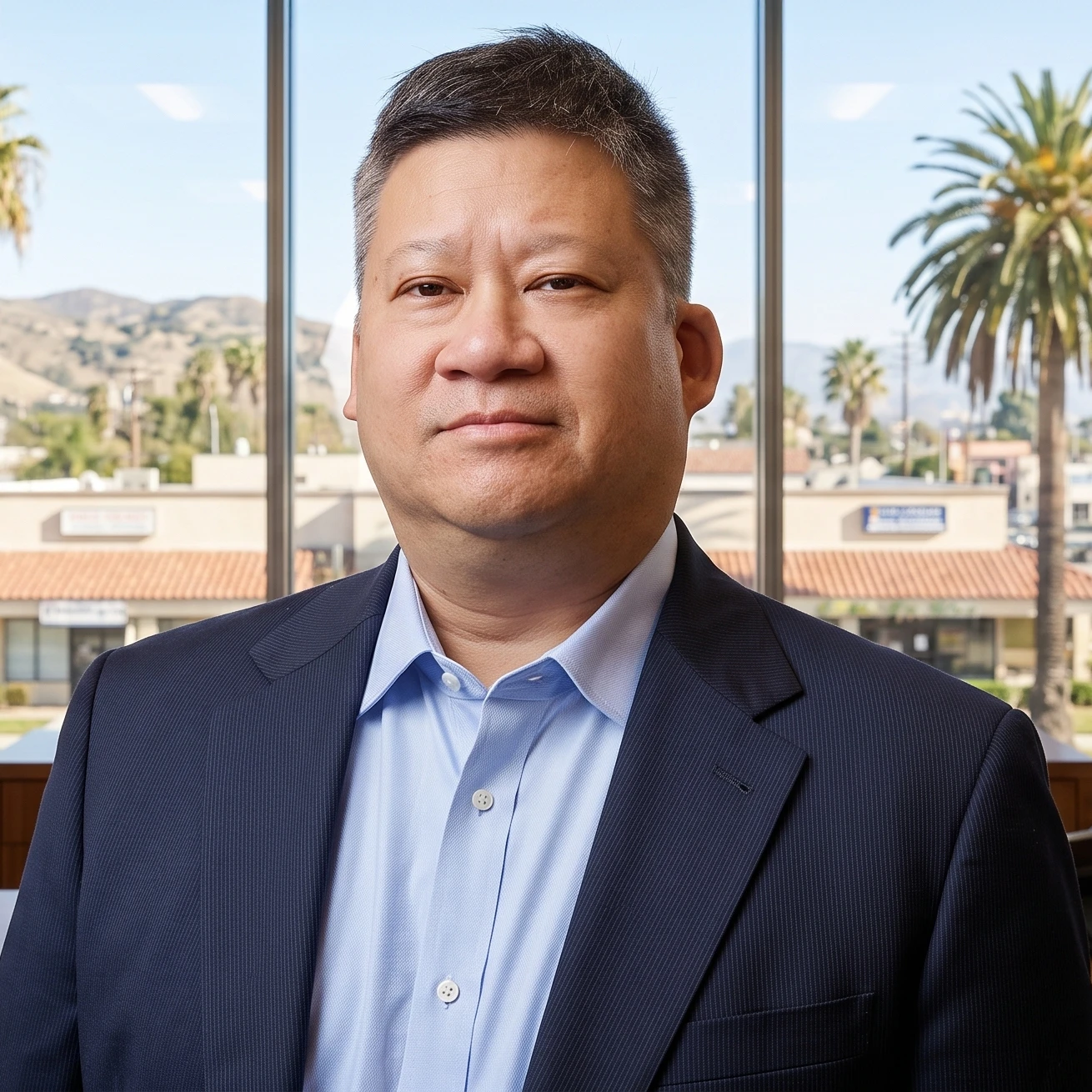
A. Justin Lum has been practicing law since 1993, with more than 30 years of experience serving clients across a wide range of legal matters. A graduate of the University of California, Berkeley and UC Davis School of Law, he is also a past President of the Southern California Chinese Lawyers Association, continuing a proud family legacy of leadership in the legal profession.